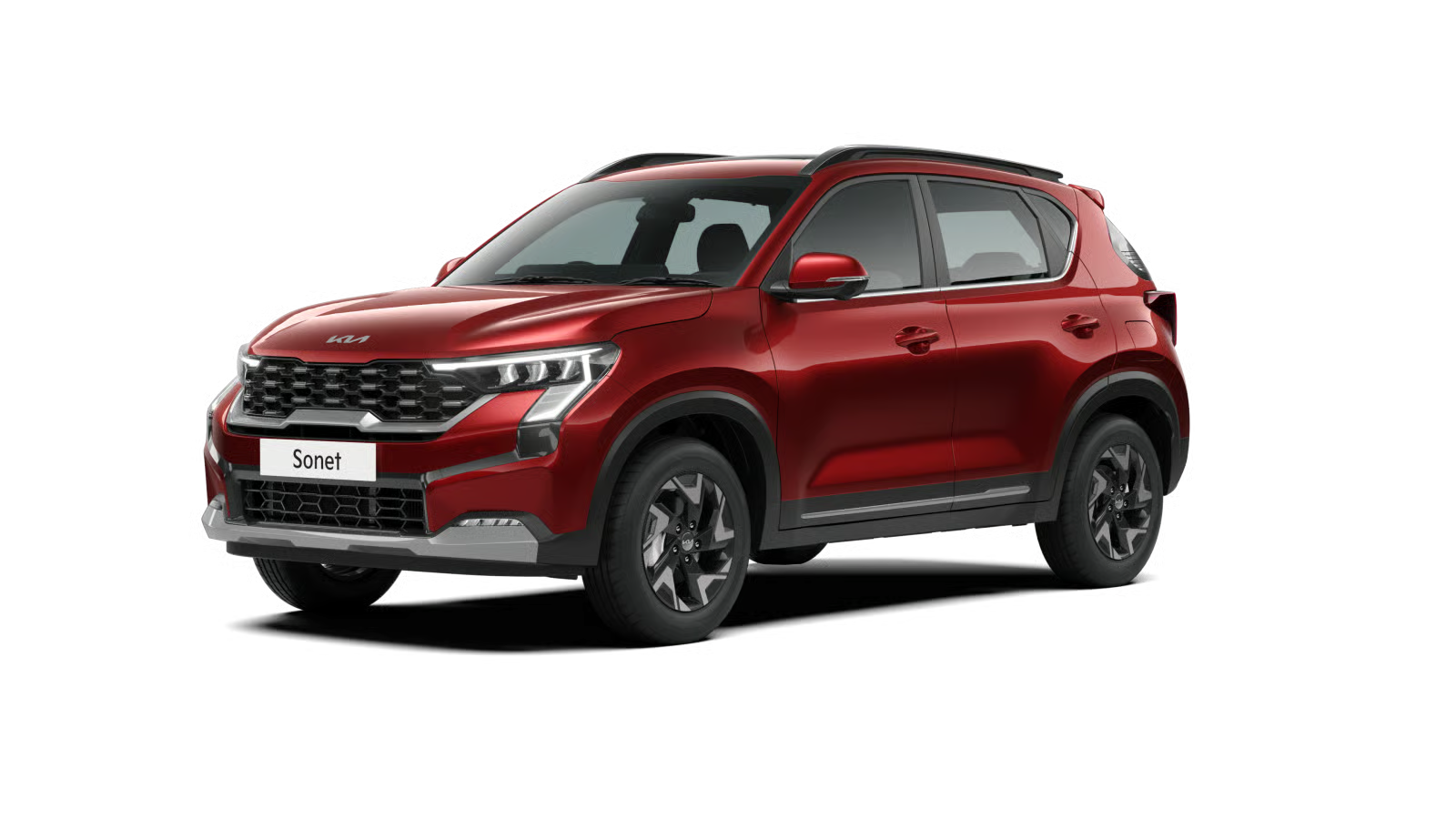
Used Car Buying Guide – My Real Experience
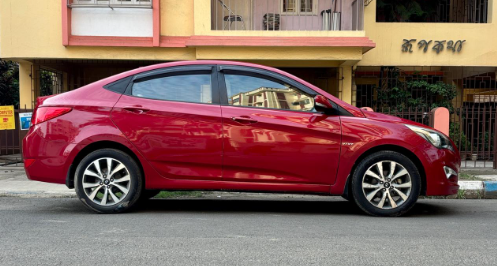
Recently, I bought a 2012 Hyundai Verna used car. At first glance, it looked almost brand new, the odometer showed relatively low mileage, and most importantly, it fit perfectly within my budget. Seeing all these factors, I purchased the car without doing much research or inspection.
However, within just a few days of ownership, the real condition of the car started to reveal itself. One issue after another began to appear such as ,sometimes it was the engine, sometimes the suspension, electrical faults, or even problems with the air conditioning. Eventually, the car spent more time at the service center than it did with me. Later, I discovered that the odometer had likely been tampered with and several major repairs had been concealed before the sale.
This experience taught me an important lesson: never judge a used car solely by its appearance, odometre reading, or attractive price. A thorough inspection is essential before making any purchase decision. Keeping this in mind, I am sharing my experience and the key checks every buyer should perform so that you can avoid costly mistakes and protect yourself from being deceived when buying a used car.
Buying a used car can be an excellent way to save money and get more value for your budget, but it can also be a risky decision if you don’t know what to look for. Many buyers are attracted by a car’s shiny exterior, clean interior, and attractive price tag, only to discover hidden mechanical problems after the purchase. From tampered odometers and accident history to engine issues and costly repairs, there are several factors that can turn a seemingly good deal into an expensive mistake.
Whether you’re a first-time buyer or an experienced car owner, these practical tips will help you make an informed decision and avoid common mistake, ensuring you drive home with a reliable and value-for-money used vehicle.
Exterior Inspection: Used Car Buying Guide
The exterior condition of a used car can reveal a lot about how well it has been maintained and whether it has been involved in an accident. Start by walking around the vehicle and carefully inspect the body panels for dents, scratches, rust, and paint imperfections. Pay close attention to the gaps between the doors, bonnet, fenders, and boot lid. In a well-maintained, non-accidental car, these gaps should be even and consistent throughout the vehicle. Uneven panel gaps or differences in paint shade may indicate previous accident repairs.
Also, inspect the windshield, windows, headlights, taillights, and side mirrors for cracks or damage. Look closely for signs of repainting, such as paint overspray on rubber seals or plastic trims. While a clean and shiny exterior can make a car look appealing, don’t let appearances alone influence your decision. A thorough exterior inspection can help uncover hidden issues and give you a better understanding of the vehicle’s true condition before making a purchase.
In the old car, it is often repainted to hide scratches, dents, and signs of aging. The interior is thoroughly cleaned, polished, and detailed to make it look fresh and well-maintained. New seat covers, floor mats, and dashboard polishing are commonly used to create the impression that the vehicle has been used very little.
A smart buyer never relies only on the exterior and interior appearance. Instead, they thoroughly inspect the engine, suspension, tires, service history, and legal documents before making a purchase. Remember, the true value of a used car is determined by its mechanical condition and maintenance history, not by how shiny it looks.
Signs of Accident Damage in a Used Car:
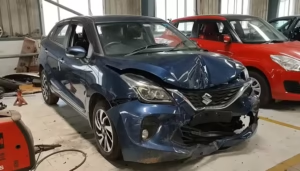
Method 1: Check The Robatic Seam Sealer In Door Panel
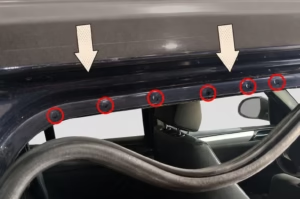
One of the most effective ways to identify whether a used car has been involved in an accident is to inspect the door jamb area. Open the car door and carefully pull back the rubber weatherstrip (door seal) that runs along the edge of the door frame. Underneath this rubber seal, manufacturers apply a factory robotic seam sealer. In a non-accidental vehicle, this sealant typically appears smooth, uniform, and consistent throughout the entire length of the panel, reflecting the precision of automated factory production.
However, if the vehicle has been involved in an accident and later repaired by a local workshop or mechanic, it is often difficult to replicate the same factory finish. You may notice uneven seam sealer lines, irregular welding marks, excess sealant, rough edges, or visible repainting in the repaired area. These imperfections can be strong indicators that the vehicle has undergone body repairs after a collision. Therefore, always inspect the door jambs and the area beneath the rubber seals carefully when evaluating a used car.
Method 2: Check the Apron Panel in a Used Car
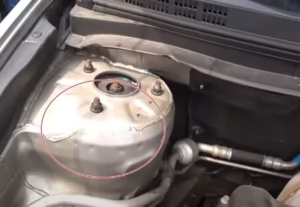
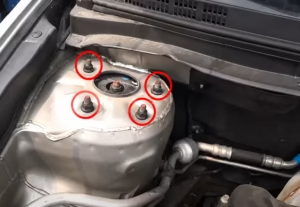
The apron panel is one of the most important areas to inspect when checking whether a used car has been involved in an accident. Located inside the engine bay, near the suspension mounting points and fenders, the apron panel is a structural component that is rarely replaced unless the vehicle has suffered a significant front-end collision.
Open the bonnet and carefully inspect both the left and right apron panels. In a non-accidental car, the factory spot welds will appear uniform, evenly spaced, and identical on both sides. The paint finish and seam sealer should also look smooth and consistent. If you notice uneven weld marks, fresh paint, grinding marks, cut-and-weld joints, excessive seam sealer, or differences between the left and right sides, it could indicate that the apron has been repaired or replaced after an accident. Since repairing an apron panel is a major job, any signs of tampering should be considered a serious warning sign when buying a used car.
Method 3: Check Panel Gaps for Accident Damage
One of the easiest ways to identify a previously accidental car is by inspecting the panel gaps. Carefully check the gaps between the bonnet, fenders, doors, and boot lid. In a factory-built, non-accidental vehicle, these gaps are usually uniform and consistent on both sides of the car. The spacing should look even from top to bottom without any noticeable differences.
If you notice uneven gaps, misaligned panels, or doors and bonnet that do not close properly, it could be a sign that the vehicle has undergone body repairs after an accident. Compare the left and right sides of the car, as differences between them often indicate repair work. While minor variations can occur due to age, significant panel gap inconsistencies should be treated as a warning sign and investigated further before purchasing the vehicle.
Check the Instrument Cluster Warning Lights
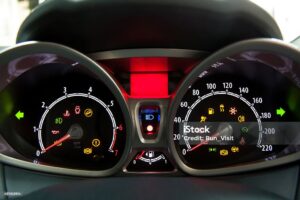
The instrument cluster can reveal a lot about a used car’s health, so it’s important not to ignore it during inspection. Before starting the engine, turn the ignition key to the “ON” position. At this stage, all major warning lights on the dashboard should illuminate for a few seconds. This includes the Check Engine Light, Battery Warning Light, Oil Pressure Light, ABS Light, Airbag Light, and other system indicators. Their appearance confirms that the bulbs and warning systems are functioning properly.
Once the engine is started, most of these warning lights should turn off automatically within a few seconds. If any warning light remains illuminated, it could indicate an underlying issue that may require repairs. Also, be cautious if a warning light does not come on at all during the ignition check, as some sellers may remove bulbs or tamper with the instrument cluster to hide faults. A dashboard free of active warning lights after startup is generally a good sign, but if you notice anything unusual, it is worth having the car scanned with a diagnostic tool before making a purchase.
Six Trusted Methods to Check a Used Car Engine
Method 1: Back Compressor Check / Blow-By Checking Method:
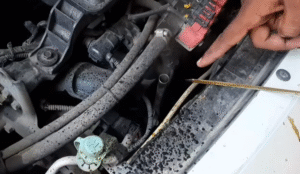
To check the condition of any car’s engine, first drive the vehicle for a while and then park it. After that, open the bonnet and pull out the engine oil dipstick (oil gauge). If you notice engine oil splashing or spraying out from the dipstick tube when the dipstick is removed, it may indicate an engine problem known as blow-by or excessive crankcase pressure (often referred to by some mechanics as back compression).
This can be a sign of worn piston rings, cylinder wear, or other internal engine issues. Buying a car with this type of problem could lead to major engine repairs, which may require opening the engine and can cost a significant amount of money. Therefore, it is advisable to have the vehicle inspected thoroughly before making a purchase.
Method 2: Head Gasket / Engine Gasket Checking Method
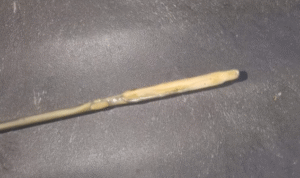
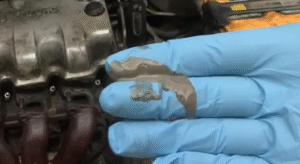
If no engine oil is coming out from the dipstick tube, then inspect the condition of the engine oil on the dipstick. If the oil appears creamy, foamy, or milky white, it may indicate that coolant is mixing with the engine oil. This is often a sign of a problem with the head gasket (sometimes referred to by mechanics as the engine gasket).
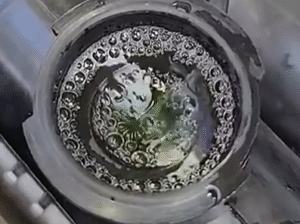
There is another way to check for a possible head gasket problem. If you notice that the coolant in the radiator or coolant reservoir is boiling, bubbling excessively, or continuously producing bubbles while the engine is running, it may indicate that combustion gases are leaking into the cooling system due to a faulty head gasket.
A damaged head gasket can allow high-pressure gases from the engine’s combustion chamber to enter the cooling system, causing the coolant to overheat and bubble. However, coolant boiling can also be caused by other issues such as a faulty radiator cap, a malfunctioning thermostat, a clogged radiator, or a cooling fan problem. Therefore, further inspection and testing should be carried out to confirm the exact cause before making a repair decision.
Method 3: Check for Black Smoke from the Exhaust
Black smoke coming from the exhaust is often a sign that the engine is burning more fuel than necessary. While a small puff of smoke during hard acceleration may be normal in some older diesel vehicles, continuous black smoke should not be ignored. It can indicate problems such as clogged air filters, faulty fuel injectors, turbocharger issues, or an improperly functioning fuel system.
When inspecting a used car, start the engine and observe the exhaust while the vehicle is idling and during acceleration. Excessive black smoke can lead to poor fuel efficiency, reduced engine performance, and costly repairs in the future. If you notice thick black smoke coming from the exhaust, it is advisable to have the vehicle inspected by a qualified mechanic before making a purchase.
Method 4: Check the Turbocharger
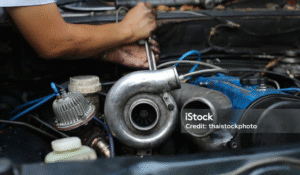
If you’re buying a turbocharged used car, inspecting the turbocharger is essential because turbo repairs can be expensive. During the test drive, pay attention to how the car accelerates. A healthy turbo should deliver smooth and strong power without hesitation. If the vehicle feels sluggish, lacks power, or struggles to accelerate, it could indicate turbo-related issues.
Also, listen for unusual sounds such as loud whistling, grinding, or siren-like noises coming from the engine bay while accelerating. Check the exhaust for excessive black, blue, or white smoke, as these can be signs of turbo wear or failure. After the drive, inspect the engine bay for oil leaks around the turbo area. A properly functioning turbocharger should provide responsive performance, smooth power delivery, and operate without unusual noises or excessive smoke.
Method 5: Check the Fuel Injectors (Nozzles)
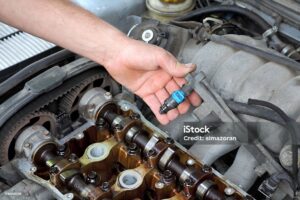
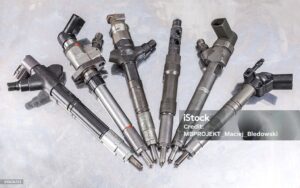
Fuel injectors, commonly known as nozzles in diesel vehicles, play a crucial role in delivering the correct amount of fuel to the engine. Faulty injectors can lead to poor performance, excessive smoke, rough idling, and reduced fuel efficiency. Therefore, it is important to check their condition when buying a used car.
Start the engine and listen carefully for any unusual ticking or knocking sounds. The engine should idle smoothly without excessive vibration. During the test drive, check whether the car accelerates smoothly and responds properly to throttle inputs. Symptoms such as rough idling, loss of power, difficult starting, excessive black smoke, or poor fuel economy may indicate injector problems.
Method 6: Check the Engine Sound
The sound of an engine can reveal a lot about its overall condition. When inspecting a used car, start the engine and listen carefully while it is idling. A healthy engine should run smoothly with a consistent and refined sound, without excessive vibrations or unusual noises. Pay attention to any knocking, ticking, rattling, grinding, or metallic sounds, as these may indicate internal engine wear or mechanical issues.
During the test drive, listen to the engine while accelerating and decelerating. The engine should deliver power smoothly without producing abnormal noises. Loud knocking sounds, excessive vibration, or unusual smoke from the exhaust should be treated as warning signs. If the engine sounds rough or noisy compared to similar vehicles, it is advisable to have it inspected by a qualified mechanic before making a purchase.
How to Check for Odometer Tampering
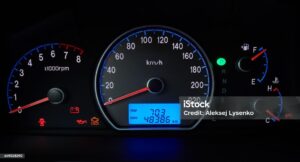
One of the biggest scams in the used car market is odometer tampering, where dealers roll back or manipulate the vehicle’s mileage reading to make the car appear less used than it actually is. As a result, many buyers are misled into believing they are purchasing a low-mileage vehicle.
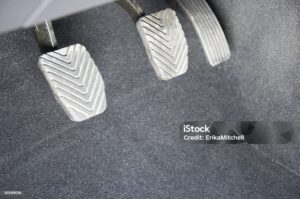
To protect yourself from this type of fraud, carefully inspect the accelerator, brake, and clutch pedals. Excessive wear on the pedal pads can be a sign that the vehicle has been driven much more than the odometer indicates. For example, if a car shows relatively low mileage but the pedal rubbers are heavily worn, smooth, or partially damaged, it may suggest that the odometer has been rolled back.
However, pedal wear alone is not conclusive proof of odometer tampering, as pedal pads can be replaced. To verify the vehicle’s actual usage, also check the steering wheel, gear lever, driver’s seat condition, service records, maintenance history, and any available vehicle inspection reports. Comparing these factors with the displayed mileage can help you identify potential odometer fraud and avoid purchasing a heavily used vehicle disguised as a low-mileage car.
How to Check the Suspension System:

When buying a used car, don’t focus only on the engine and exterior condition, the suspension system is equally important. Start by checking whether the car sits evenly on all four corners when parked on a flat surface. If one side appears lower than the other, it could indicate worn springs or suspension damage. You can also perform a simple bounce test by pressing down firmly on each corner of the vehicle and releasing it. A healthy suspension will allow the car to rise and settle immediately, while excessive bouncing usually points to worn shock absorbers or struts.
The best way to evaluate the suspension is during a test drive. Drive the car over speed breakers, potholes, and uneven roads while paying attention to any knocking, clunking, or squeaking sounds. The vehicle should feel stable and comfortable, without excessive bouncing or body roll while turning. Also, inspect the tires for uneven wear, as this can be a sign of suspension or alignment problems. A smooth, quiet, and stable ride is usually a good indication that the suspension system is in proper condition.
Inspect Engine Mounts for Excessive Vibrations
Engine mounts are designed to hold the engine securely in place and absorb vibrations. When they wear out or break, the engine can move excessively, causing vibrations, noise, and an uncomfortable driving experience. Fortunately, there are a few simple ways to check their condition when inspecting a used car.
Start the engine and let it idle. If you feel excessive vibrations through the steering wheel, seats, or dashboard, worn engine mounts could be the cause. Next, open the bonnet and ask someone to shift between Drive and Reverse (for automatic cars) or gently engage and release the clutch (for manual cars) while keeping the brake applied. Observe the engine movement, some movement is normal, but if the engine rocks or jerks excessively, it may indicate faulty mounts. During the test drive, listen for clunking or thudding noises when accelerating, braking, or shifting gears. Excessive engine movement, unusual vibrations, and knocking sounds are common signs that the engine mounts may need replacement.
Check the Documents Thoroughly : Used Car Buying Guide
At last, No matter how good a used car looks or drives, never finalize the deal without verifying all its documents carefully. Start by checking the Registration Certificate (RC) and ensure that the chassis number and engine number match the details mentioned in the documents. Also, verify the insurance policy, Pollution Under Control (PUC) certificate, service records, and road tax details. These documents help confirm the vehicle’s ownership and legal status.
In addition, check whether the car has any pending loan, challans, or legal disputes. If possible, ask for the original service booklet and maintenance records to verify the vehicle’s history. A complete and genuine set of documents not only protects you from future legal complications but also gives confidence that the car has been properly maintained and legally transferred.