India’s First E100 Bike Is Here: Hero MotoCorp Leads the Ethanol Revolution
India has a new chapter: the launch of ethanol-powered vehicles transitioning from concept to road reality. On the electric mobility front, Hero MotoCorp has launched the first E100 bike-ready motorcycle in India and Maruti Suzuki is all set to reveal the country’s first flex-fuel passenger car for mass consumption. These launches are off to a great start in terms of decreasing reliance on traditional fossil fuels and much cleaner types of transportation.
This comes at a time when India is aggressively looking for ways to cut down crude oil imports and setting a whole new energy security path by taking affordable, renewable solutions. Government leaders have long touted the benefits of ethanol as a readily available, renewable fuel source for the future.
What Is an E100 Vehicle?
The E100 car is made to run entirely on ethanol. These vehicles in contrast to traditional gasoline-powered vehicles are designed with parts that can tolerate the special chemical characteristics of ethanol. While E100-compatible cars can run solely on ethanol, flex-fuel cars can run on various combinations of gasoline and ethanol. This technology has already been implemented in nations like Brazil, where ethanol-based transportation has grown to be a significant component of the automotive industry. With the launch of E100 cars, India is moving away from imported crude oil and toward cleaner fuels.
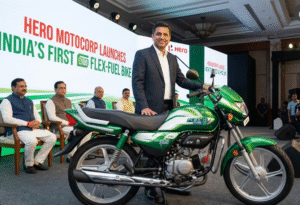
Hero MotoCorp’s Historic Launch
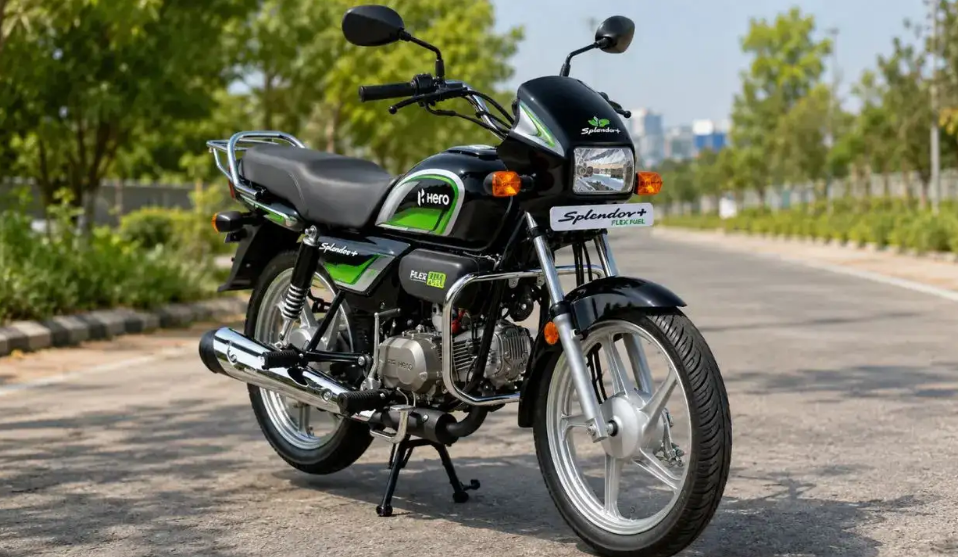
Hero MotoCorp just launched a new motorcycle that it claims is India’s first fully homologated, saleable two-wheeler designed from day one to run on E100 ethanol. The model is likely to be based on one of Hero’s commuter platforms like the Splendor or HF Deluxe, according to industry reports, but official specifications will clear things out in full at the time of launch.
Like its name suggests, the motorcycle is Hero’s first flex-fuel offering and reinforces the company’s efforts to diversify its offerings to an alternative mobility space too. The launch was attended by several important officials in the government, which indicates how key this project is to India’s overall strategy for increasing sustainability.
Industry insiders say that offering ethanol-fueled commuter motorcycles could be significant, as commuter bikes are one of the bigger segments in the Indian vehicle market.
Maruti Suzuki’s Next Big Move
Maruti Suzuki will launch the first flex-fuel passenger vehicle in India after Hero recently announced its own. The company has been developing its flex-fuel technology for many years and has previously displayed E100-compatible concepts at various global motoring events.
While Maruti had not officially confirmed the model, there are hints that the tech could first see light with one of its popular mass-market products. The launch would also take place close to the World Environment Day celebrations, showing that it is an environmentally driven effort. The announcement places Maruti Suzuki in a very important position in India’s switch to alternative gas automobiles.
Why Ethanol Matters
Ethanol—produced from sugarcane, corn and biomass feedstocks. Ethanol can be produced within the country, which aids in reducing dependency on foreign petroleum.
Key advantages include the following:
Reduced Crude Oil Imports
A large part of India’s crude oil needs comes from imports. More use of the ethanol reduces dependency on imports and enhances energy independence.
Support for Farmers
Additional demand for ethanol will open up opportunities in the agricultural sector by extending higher demand to feedstock crops used for ethanol production.
Lower Carbon Emissions:
Ethanol is a cleaner-burning alternative to conventional petrol that could potentially mitigate greenhouse gas emissions and urban air pollution.
Diverse Fuel Options:
The time is provided via interpretation, and therefore the alternative fuels supply clients with capability, in addition to reducing the effect on one energy program.
Challenges Ahead
While ethanol-fueled vehicles hold great promise, there are still obstacles to overcome. The first is infrastructure. Widespread availability of fueling stations that permit ethanol with E100 bikes to make it big. Another concern is fuel efficiency. Ethanol burns cleaner but in almost all cases has a lower energy content per liter than petrol. Engine optimization is very important to manufacture which allows engines to run with acceptable performance as well as mileage.
Arguably, the adoption of the new tech will be closely correlated with price point, service requirements and reliability over time as well. The voice and grandeur of automotive enthusiasts offer up a mixture of elation and worries, however: practical concerns over fuel availability and ownership expenses abound.
What This Implies For India’s Auto Industry
Hero‘s newly launched E100 motorcycle and the even fresher flex-fuel car in the works from Maruti Suzuki could be harbingers of an imminent changeover from fossil fuels to so-called alternate energy sources in India’s transportation future—and sooner rather than later.
I know electric vehicles are the darling of the moment, but ethanol-powered vehicles provide another avenue to cleaner mobility. They offer the potential for rapid market uptake, particularly in rural and semi-urban areas, because unlike EVs, they can use much existing fueling infrastructure with incremental upgrading.
While automakers are working with several technologies—electric, hybrid, hydrogen and ethanol-powered solutions—it seems India is setting itself up for a diverse approach to future mobility.
Conclusion
The introduction of India’s first hero ethanol bike E100 motorcycle by Hero MotoCorp and the forthcoming flex-fuel passenger car by Maruti Suzuki mark significant turning points in the nations transition to green mobility. These cars demonstrate how alternative fuels can help India achieve its larger sustainability objectives while fostering agricultural development and energy independence. Infrastructure consumer acceptance and long-term economics will determine whether ethanol-powered vehicles become popular. One thing is certain though: India’s automotive industry is evolving into one that is more inventive, varied and environmentally conscious than it has ever been.
Must Read: Honda Activa 7G Launch in India: Expected Price 80000 , Launch Date & What’s New
Hero Motorcycle Lineup in India 2026 – All Hero Bikes Price, Mileage & Specs