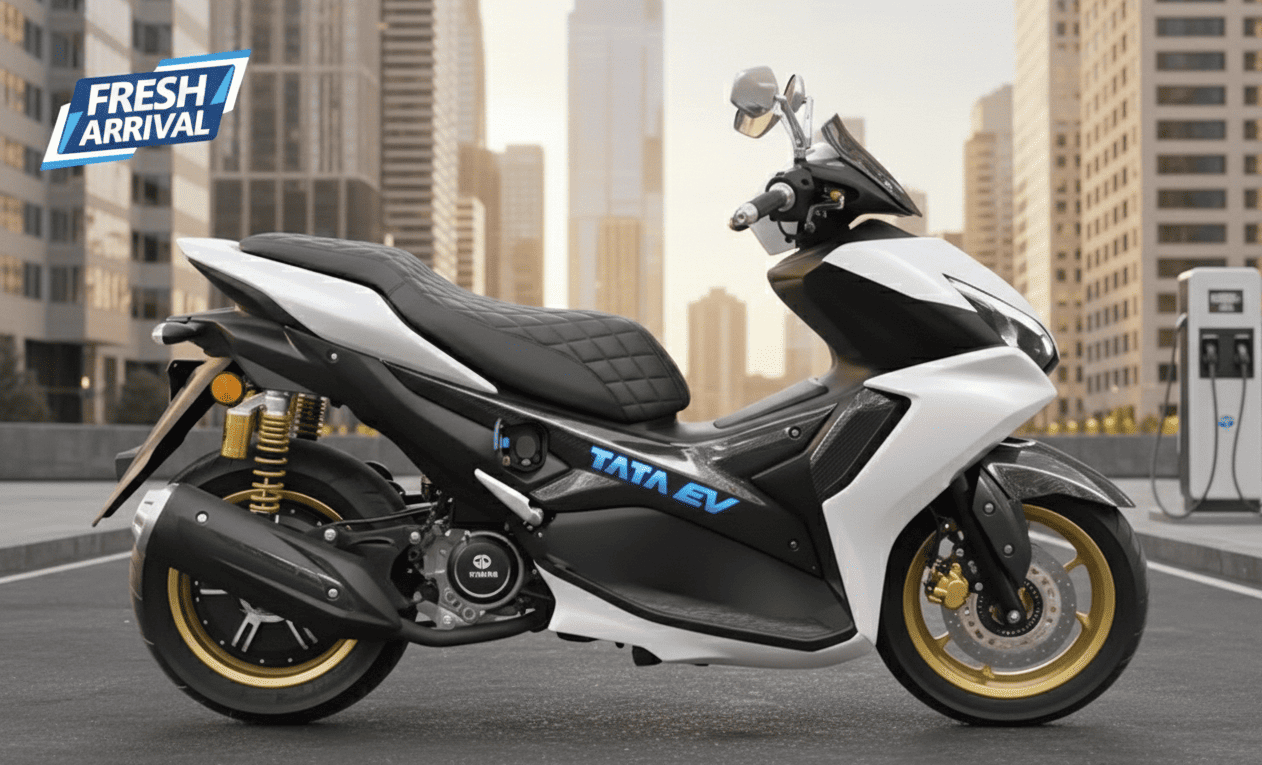
The Indian electric two-wheeler market is evolving at lightning speed, and the latest buzz revolves around one powerful name Tata Electric Scooter. Known for reshaping India’s automobile industry with reliable, affordable, and future-ready vehicles, Tata is now reportedly gearing up to make a strong entry into the electric scooter segment. If early expectations are anything to go by, this upcoming Tata electric scooter could be a true game-changer for daily commuters and EV enthusiasts alike.
With claims of a 250 km long range, 80 km/h top speed, and an expected price of around ₹90,000, Tata’s electric scooter is already creating massive excitement across the country. Let’s take a deep dive into what this upcoming electric scooter could offer, why it matters, and how it could disrupt the EV market in India.
Tata’s Big Move Into Electric Two-Wheelers
Tata Motors has already established itself as a leader in India’s electric vehicle space with successful EVs like the Nexon EV and Tiago EV. Now, extending that expertise into electric scooters feels like a natural next step.
India is witnessing a surge in demand for electric scooters due to rising fuel prices, government incentives, and growing environmental awareness. While brands like Ola Electric, Ather, and TVS currently dominate the segment, Tata’s entry could significantly shift consumer trust and market dynamics.
What sets Tata apart is its reputation for build quality, safety, and long-term reliability factors that matter deeply to Indian buyers.
Expected Range: A Massive 250 Km on a Single Charge
One of the most talked-about highlights of the Tata electric scooter is its claimed range of up to 250 km. If Tata manages to deliver even close to this figure in real-world conditions, it would set a new benchmark in the electric scooter segment.
For comparison, most electric scooters currently offer real-world ranges between 90 km and 160 km. A 250 km range would mean:
- Less frequent charging
- Ideal for daily commuters and delivery riders
- Reduced range anxiety
- Long-distance city usage without worry
This kind of range suggests that Tata may use an advanced high-capacity lithium-ion battery pack, possibly paired with efficient energy management software.
Performance: 80 Km/H Top Speed for City & Highway Use
Performance is another area where the Tata electric scooter is expected to shine. With a top speed of around 80 km/h, the scooter should be more than capable of handling:
- City traffic
- Flyovers and ring roads
- Short highway stretches
This speed puts it on par with or ahead of many petrol scooters currently available in the market. Combined with instant torque delivery — a natural advantage of electric motors — riders can expect smooth acceleration and confident overtakes in urban conditions.
Expected Price: Affordable at ₹90,000
Perhaps the most exciting aspect is the expected price tag of ₹90,000 (ex-showroom). If Tata launches the electric scooter at this price point, it could seriously disrupt the EV scooter market.
At ₹90,000, the Tata electric scooter would:
- Compete directly with mid-range petrol scooters
- Undercut many premium electric scooters
- Appeal strongly to middle-class and first-time EV buyers
With government EV subsidies and state-level incentives, the effective on-road price could become even more attractive.
Design: Practical Yet Modern
While official images haven’t been revealed yet, Tata is expected to follow a clean, modern, and practical design approach rather than going overly futuristic.
Expected design highlights may include:
- LED headlamps and tail lamps
- Aerodynamic body panels
- Comfortable single-piece seat
- Flat floorboard for daily convenience
- Large under-seat storage
Tata usually focuses on durability over flashy elements, which suits Indian road conditions perfectly.
Features & Technology (Expected)
From a features perspective, the Tata electric scooter is likely to be well-equipped, especially considering Tata’s strong software and EV ecosystem.
Expected features include:
- Fully digital instrument cluster
- Smartphone connectivity
- Navigation support
- Multiple riding modes (Eco, City, Sport)
- Regenerative braking
- Fast charging support
- OTA (Over-The-Air) updates
Safety features such as CBS (Combined Braking System), anti-theft alerts, and geo-fencing could also be part of the package.
Tata Electric Scooter Charging & Battery Technology
Charging convenience will play a crucial role in the success of the Tata electric scooter. Based on Tata’s EV experience, the scooter could offer:
- Home charging compatibility
- Portable charger
- Fast charging option (0–80% in under 2 hours – expected)
The battery is likely to be IP-rated for water and dust resistance, making it suitable for Indian weather conditions, including monsoons.
Why Tata Electric Scooter Matters for India
The entry of Tata into the electric scooter segment is important for several reasons:
- Trust Factor –Tata is a household name in India
- Mass Adoption –Affordable pricing can push EV adoption
- Better Infrastructure –Tata’s charging ecosystem could expand
- Healthy Competition –Better products at better prices
For many buyers sitting on the fence about switching to electric, Tata could be the brand that finally convinces them.
Competition in the EV Scooter Market
Once launched, the Tata electric scooter will compete with:
- Ola S1
- Ather 450 series
- TVS iQube
- Bajaj Chetak Electric
However, Tata’s aggressive pricing, longer range, and brand reliability could give it a strong edge.
Expected Launch Timeline
While Tata has not officially confirmed the launch date, industry speculation suggests that the Tata electric scooter could be unveiled within the next year, possibly around major auto expos or EV-focused events.
An official announcement from Tata will clarify specifications, pricing, and availability.
Final Verdict: Is Tata Electric Scooter Worth the Hype?
If Tata delivers even 80–85% of what’s being speculated —250 km range, 80 km/h speed, and a ₹90,000 price tag the Tata electric scooter could redefine the electric two-wheeler segment in India.
For daily commuters, students, office-goers, and families looking for a cost-effective, eco-friendly, and reliable ride, this scooter could become a top choice.
As the EV revolution gains momentum, Tata’s entry into electric scooters might just be the push India needs to move faster toward a cleaner and greener future.
Disclaimer: Prices, specifications, range, and features mentioned in this article are based on expectations and market speculation. Readers are advised to visit the official Tata website or authorized dealers for the latest updates and confirmed information.
FAQs:
Q: Which electric scooter is best in India?
A: The best electric scooter in India depends on your usage, but popular and reliable options include Ola S1 Pro, Ather 450X, TVS iQube, and Bajaj Chetak.
Q: Does an electric scooter need a license?
A: Yes, most electric scooters require a valid two-wheeler driving license and registration to be used on public roads in India.
Q: Can we charge an electric scooter at home?
A: Yes, electric scooters can be easily charged at home using a standard power socket or the charger provided by the manufacturer.
Q: How much does it cost to charge an electric scooter?
A: Charging an electric scooter at home usually costs between ₹15 and ₹30 per full charge, depending on electricity rates and battery size.
Q: How long does an electric scooter battery last?
A: Most electric scooter batteries last around 4 to 6 years or 50,000–70,000 km, depending on usage and charging habits.