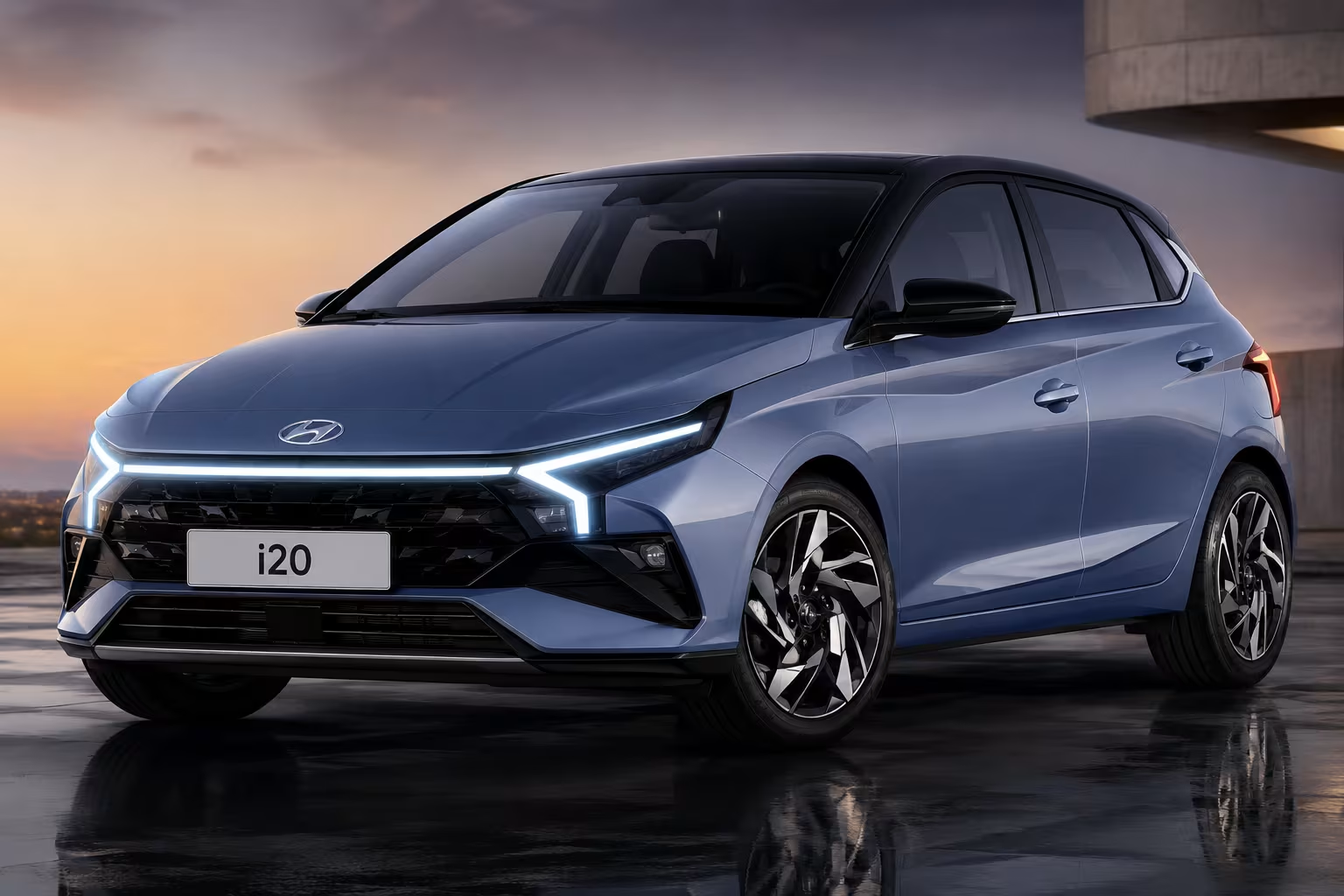
Hyundai’s first sneak peek of the fourth-generation i20 in Brazil is now official, for now it will be the first nation to feature its radical new-look high-end hatchback.The new i20 on the way for debuting worldwide in the near coming weeks will feature enhanced technology, design and an upscale driving experience.
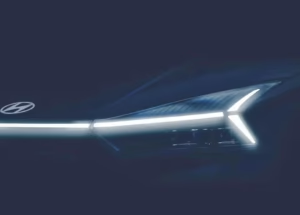
The front design also looks very interesting in the teaser image as it also has Y-shaped LED daytime running lights inspired by Lamborghini that are linked by a sleek LED light bar, which makes the new i20 look futuristic and sporty. These changes are all expected in routine for the first time when the model is released worldwide in the coming weeks.

Hyundai has not announced details of the display, but sources say the new i20 will have twin 10.25-inch display panels, one for the infotainment system and another for the digital driver’s display. Other features include Android Auto and Apple CarPlay, ventilated seats, premium Bose audio system, connected car and better comfort features.

Advanced Driver Assistance Systems (ADAS) and a 360 degree camera system could be two of the major highlights. These features will be very helpful in improving safety and convenience for highway and urban driving, once they find their way onto the popular cars of the future.

At international markets, Hyundai may launch the top-notch Hybrid powertrain and 1.2-litre turbocharged petrol engine might stick around for India now. The engine generates a power of 83 PS with the 5-speed manual transmission and 88 PS with the iVT automatic gearbox and a torque of 114.7 Nm.
The sportier i20 N Line is expected to continue to have the 1.0-litre turbo-petrol engine with 120 PS of power and 172 Nm of torque. It will be offered with a 6-speed manual gearbox and a 7-speed dual clutch transmission (DCT), offering sufficient performance, driving fun and efficiency.
The new 4th generation i20 is slated to hit the global market next month followed by international markets. The hatchback is expected to make the Indian debut post global release, probably by 2027, as test cars have already been seen in India.