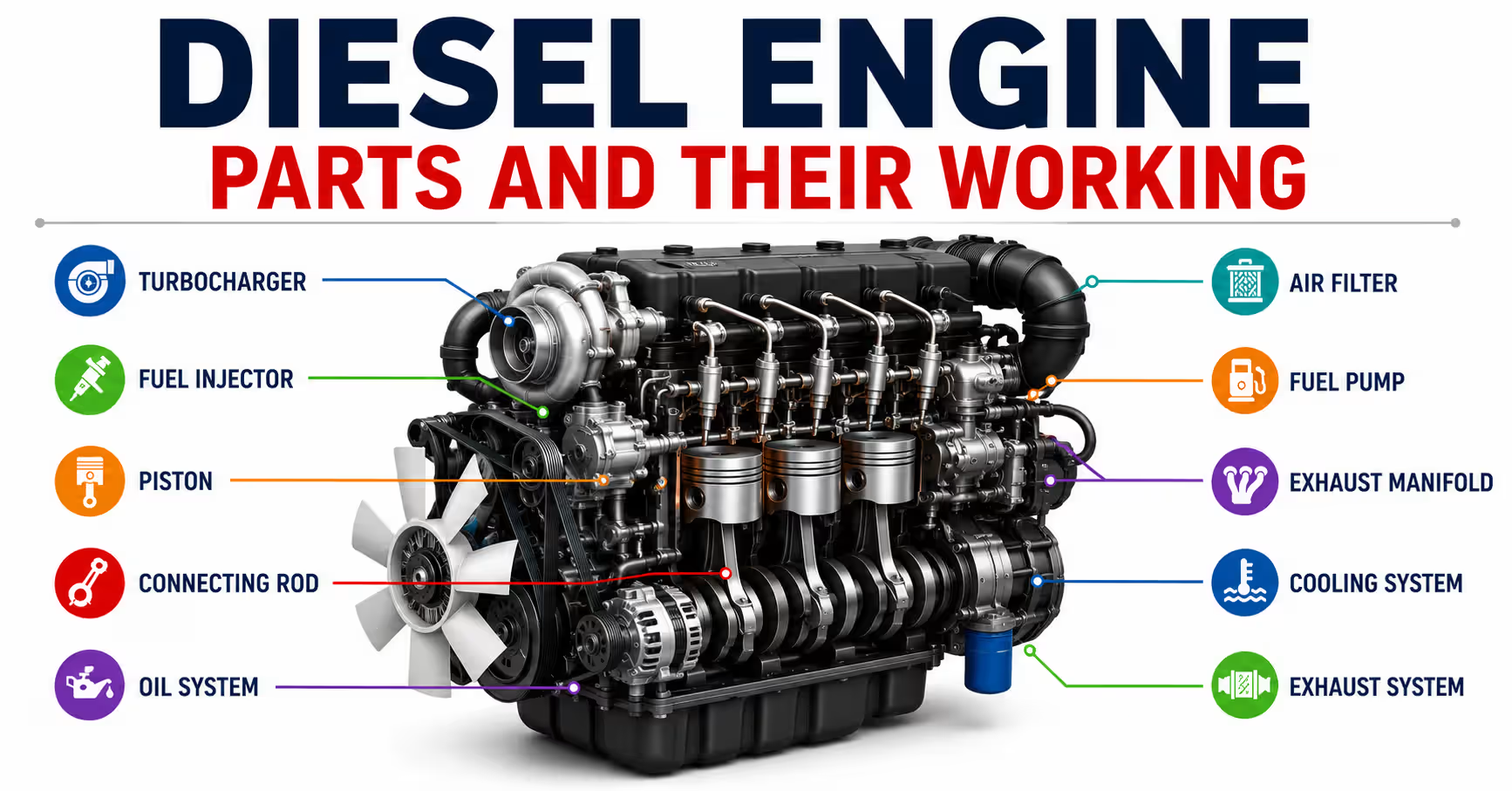
One of the main benefits of a diesel engine is its fuel efficiency, durability, and outstanding torque. No matter if it is a small hatchback, a rugged SUV, or a heavy-duty truck, a diesel engine is a marvel of engineering. The majority of diesel vehicle users appreciate the advantages of this kind of car, but few know what occurs under the hood each time when the driver presses the accelerator pedal. It’s essential to understand the various engine components that help a diesel vehicle produce power to gain an appreciation of the technology used in a diesel car.
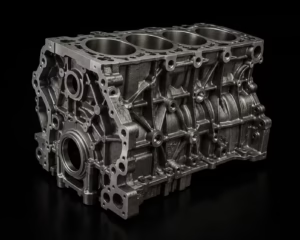
Known as the foundation of the engine, the engine block is actually the basic structure on which the rest of the diesel engine is built. It contains the oil channels, coolant passages, and the cylinders. Because the diesel engines work under extremely high compression, the structure of the engine block will be very strong and durable. Major parts of the engine are installed inside and/or around this structure.
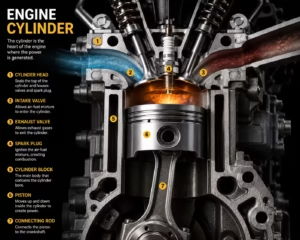
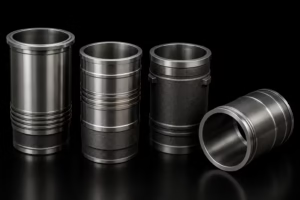
The cylinders are located in the interior of the engine block, and the combustion process occurs in these locations. In each cylinder there is a piston that moves up and down over and over. In operation, air is compressed into the cylinder, and diesel fuel is added to the hot compressed air. This combustion drives the piston down and thus provides the energy necessary for the motion of the vehicle.
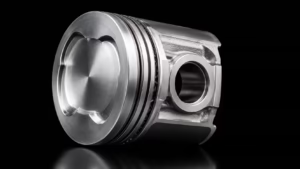
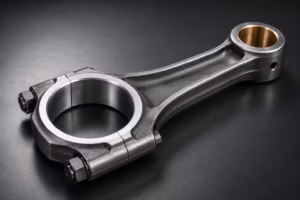
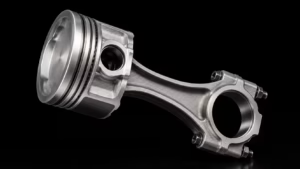
Each piston is linked to a connecting rod that conveys the up and down movement of the piston to the crankshaft. This action is then turned into rotational motion by the crankshaft, and in time the wheels receive power via the transmission. The crankshaft is a mechanical component that is essential to the vehicle’s drivability; otherwise, the energy produced by combustion would be lost.
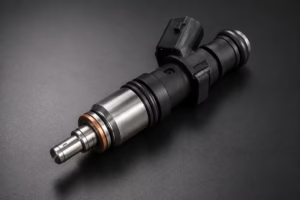
A crucial part of a modern diesel engine that sets this product apart from any others is the fuel injector. In a diesel engine, the fuel is injected directly into the cylinder at a very high pressure, whereas in a petrol engine, the fuel and air are mixed together before being burned. Fuel injectors deliver the precise amount of fuel to the combustion chamber to promote efficient combustion, performance, and reduction of emissions.
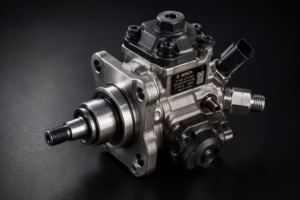
Further, the high-pressure fuel pump supplies fuel to the injectors. This is an element that pressurizes diesel fuel prior to it being delivered via the fuel rail into the injectors. Modern common-rail injection systems are based on the principle that the fuel is injected into the main combustion chamber at very high pressure, optimizing the atomization and more complete combustion of the fuel.
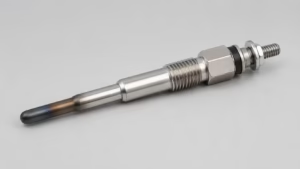
Unlike spark plug engines, the only benefit that the compression of the air does for a diesel engine is to generate heat, which is why glow plugs are used to help it during cold starting. The glow plugs warm up air in cylinders to ensure easier starting for the diesel fuel in the engine’s cold conditions. When the engine reaches operating temperature, the glow plugs are no longer needed.
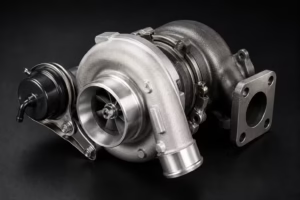
The other critical element is the turbocharger. Turbochargers are used in most modern diesel vehicles to boost their power and efficiency. The energy of the exhaust gases is used with a turbocharger to compress the air that enters the engine. The more air that can be utilized, the more fuel can be combusted efficiently, giving higher power, fuel economy, and performance with minimal engine size increase.

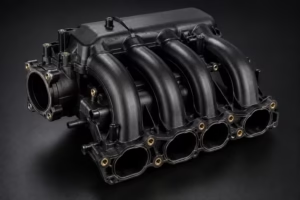
The air filter and intake manifold deliver equivalent clean air to the engine. The air filter captures dust and impurities before they get to the combustion area. The intake manifold then splits the air equally between all the cylinders of the engine. Good ventilation is critical for proper combustion and engine life.
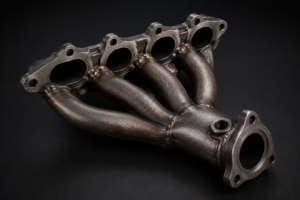
The exhaust manifold on the other side of the engine gathers the exhaust fumes created by the combustion process and feeds them into the turbine and exhaust system. Modern diesel engines have the following advanced emissions-control systems to minimize pollutants before they enter the air.
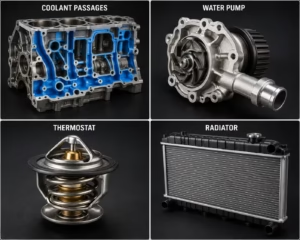
Temperature control in diesel engines is achieved by using the cooling system, which includes coolant passages, a water pump, and a thermostat and radiator. The heat generated in the combustion chamber during combustion can reach several thousand degrees C. The cooling system removes excess heat and keeps the engine at optimum operating temperature, avoiding overheating and damage to the engine components.
The lubrication system, such as engine oil, oil pump, and oil filter, is equally important. Engine oil lubricates the moving parts, reduces friction, and prevents the build-up of wear. The oil pump will pump the oil around the engine at all times, and the oil filter will help remove contaminants that could harm the internal parts of the engine.
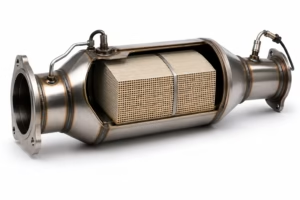
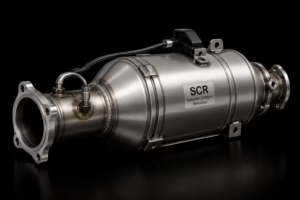
Apart from above, modern diesel engines also have emission control components like the Diesel Particulate Filter (DPF) and Selective Catalytic Reduction (SCR) system. Soot particles are captured by the DPF from exhaust gases, and harmful emissions of nitrogen oxides are reduced by the SCR system. The technologies ensure the compliance of modern diesel vehicles with ever tougher environmental laws.
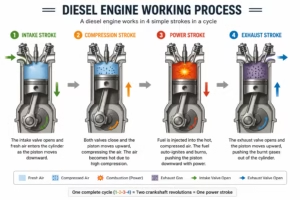
You might think a diesel engine is complicated, but it really is quite straightforward: compress the air, inject fuel, and burn it, and all that remains is power. The piston, crankshaft, turbocharger, fuel injectors, and everything in between are crucial to the process. Knowledge of these components can help drivers appreciate the engineering that goes into diesel vehicles and allow them to maintain their strut best and become familiar with any problems before they turn into costly repairs.
When you next start up your diesel-powered vehicle and experience the torque that such a car provides, just think, dozens of carefully engineered parts are functioning in harmony to convert fuel into movement. Remarkable teamwork is what makes the diesel one of the most efficient and durable power plants created ever.


